Restoring a Mitsubishi ERV-32 Cargo Oil Pump Turbine Gearbox Casing
Brush Plating Repair on Gearbox Casing
Some of the most critical components on a vessel are also the hardest to replace quickly. The cargo oil pump turbine is one of them and when its gearbox casing develops scoring damage, the usual response is to source a replacement part, wait for it to arrive, and keep the vessel out of service in the meantime.
On a recent job, Sterling Impreglon Asia was called in to do things differently.
The Component
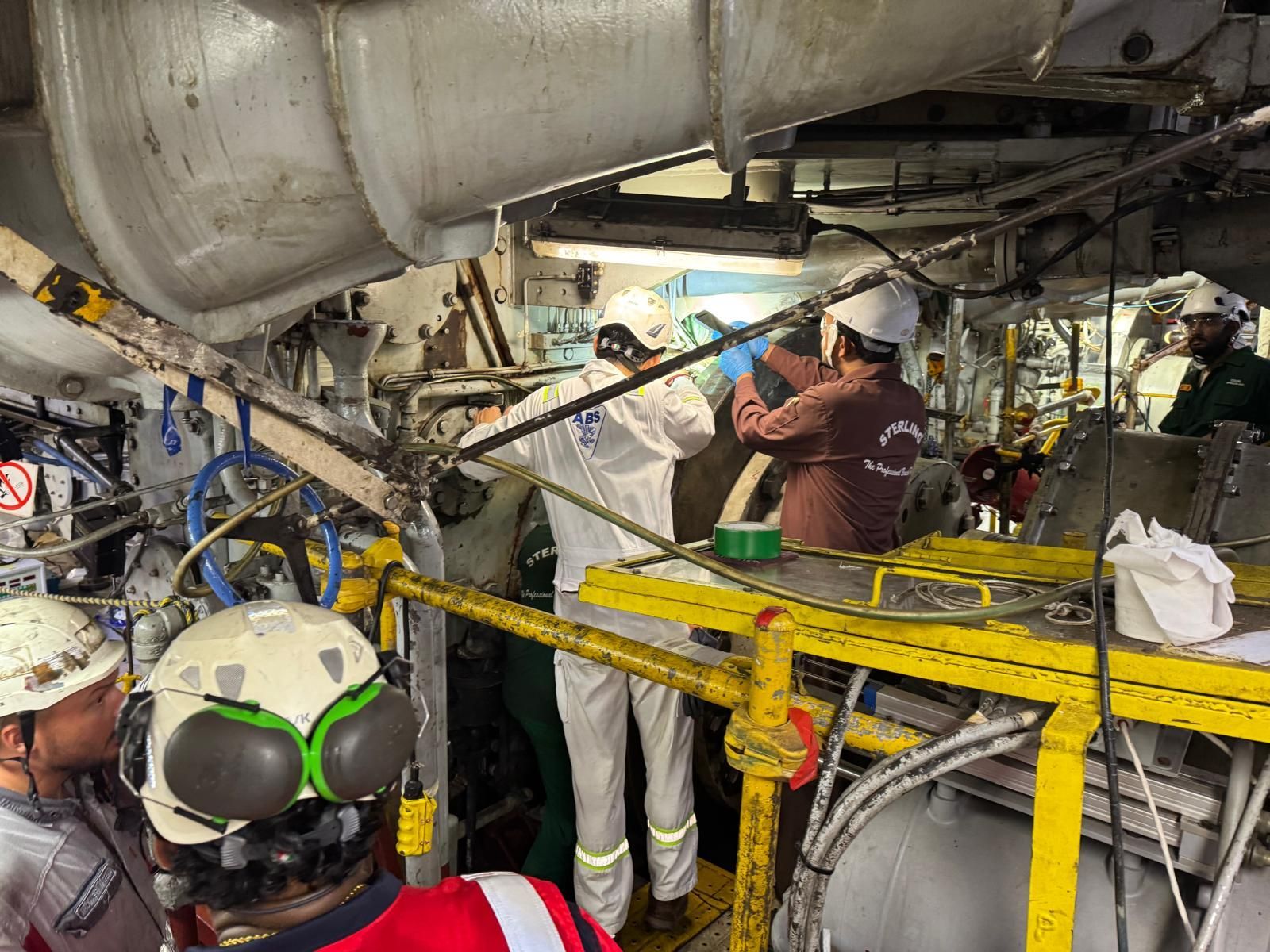
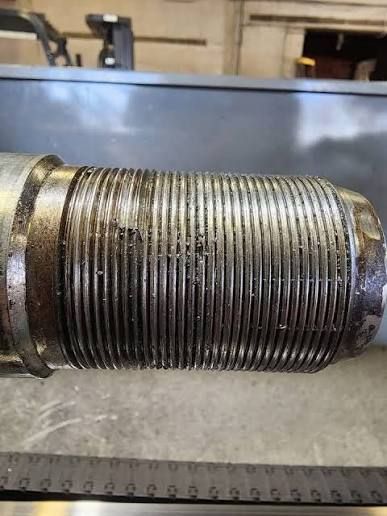
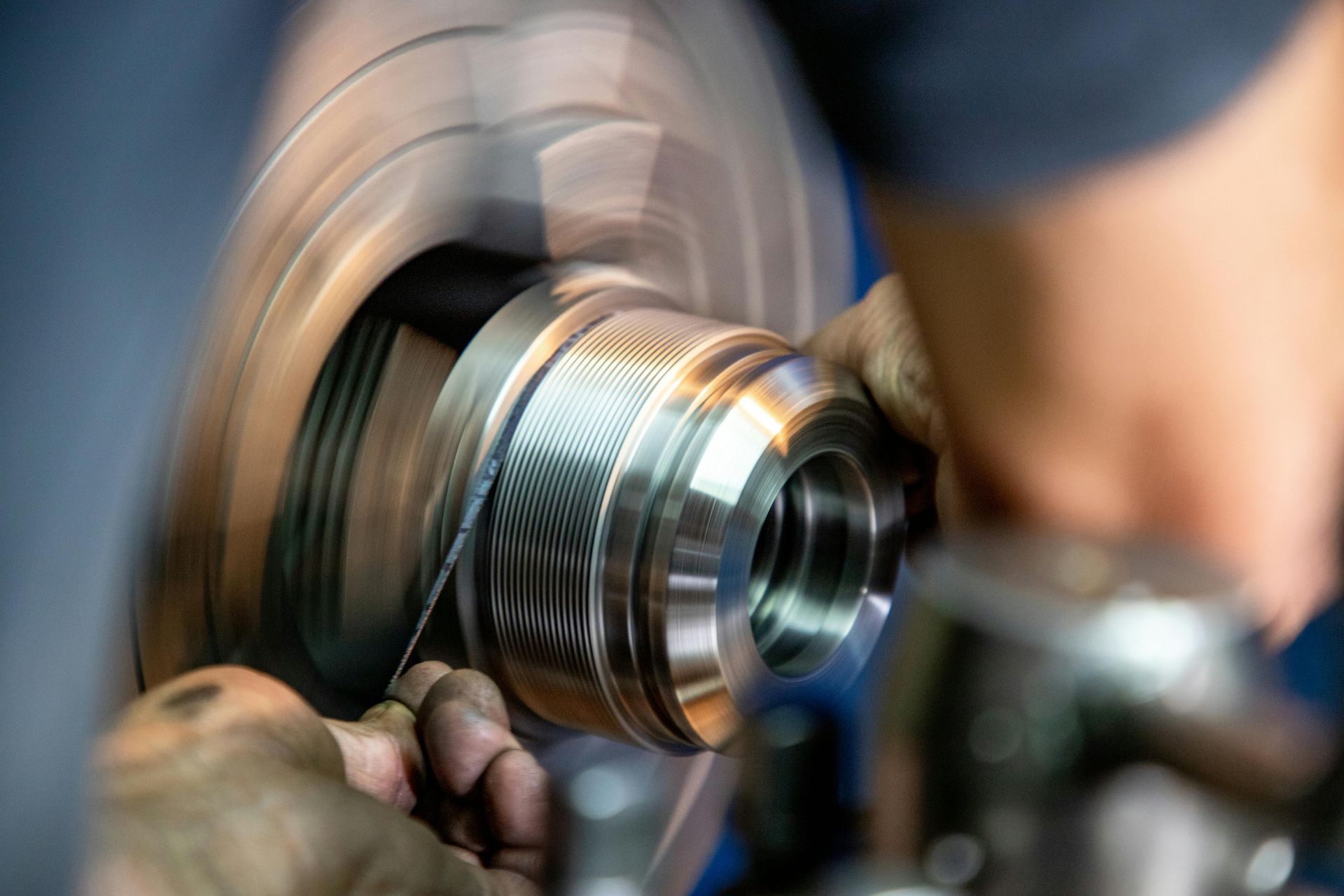
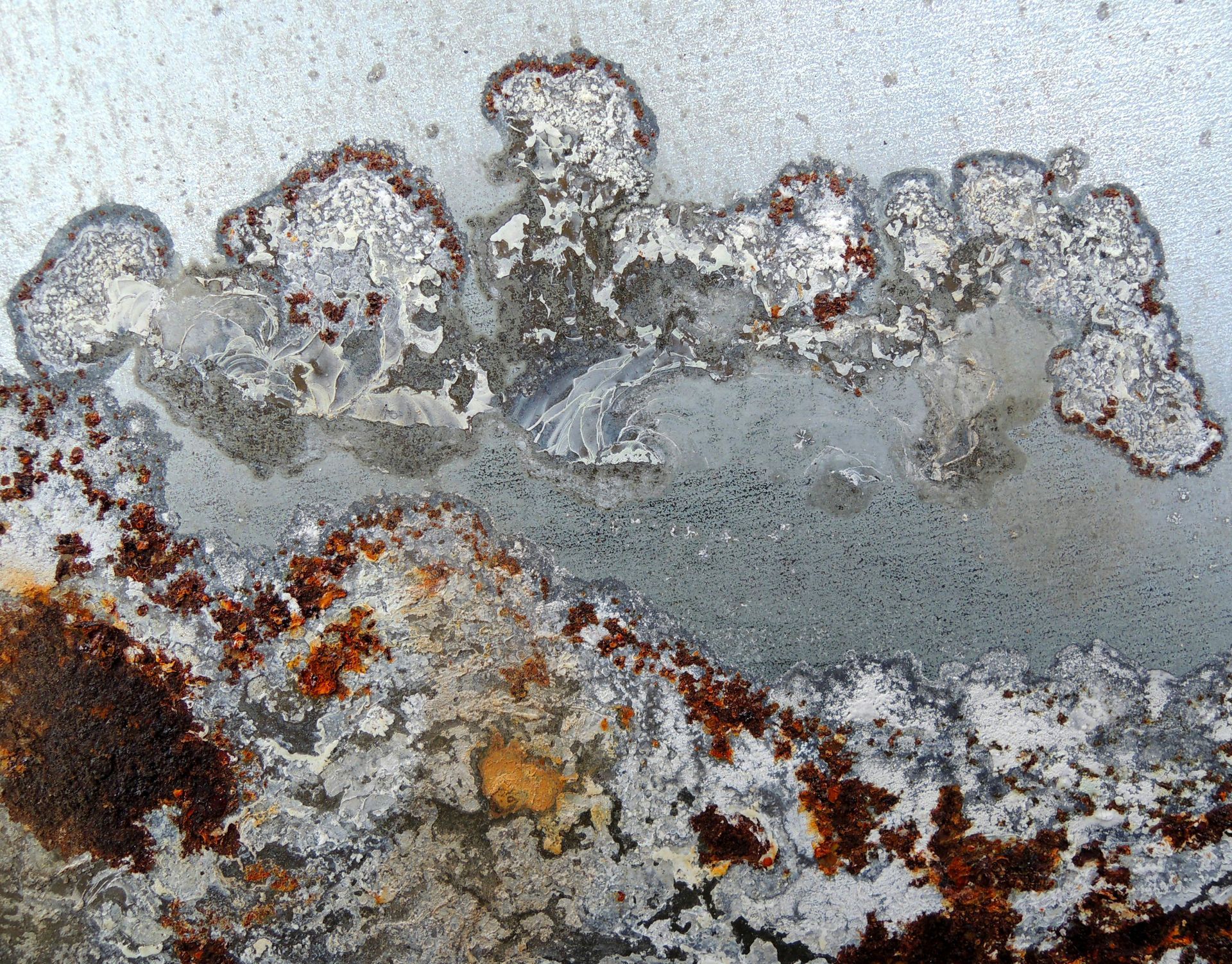
The job involved a gearbox casing from a Mitsubishi ERV-32 Cargo Oil Pump Turbine (COPT), a critical piece of marine machinery responsible for pumping cargo oil on tankers. On inspection, the casing's bearing housing surfaces showed visible scoring and wear, with measurable damage confirmed using precision calipers during the assessment.
Left unaddressed, this kind of surface damage compromises the fit and alignment of the components housed within which is exactly the kind of wear that typically triggers a full part replacement, along with the freight delays and downtime that come with it.
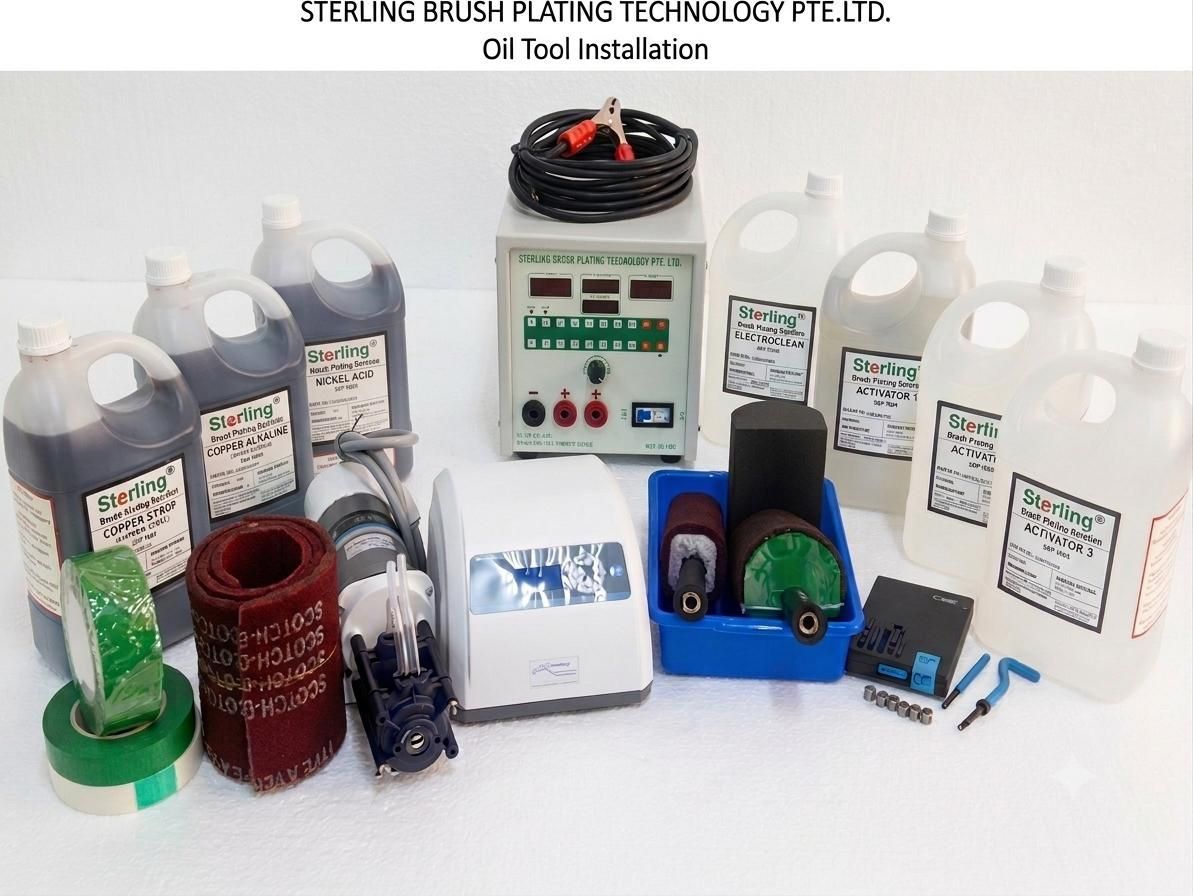
Instead, our team assessed the casing as a strong candidate for repair using our proprietary Brush Plating process.
The Repair Process
1. Damage marking and preparation: The damaged area was carefully inspected, and the scoreline was marked and measured to determine the extent of the repair required. The surface was then cleaned and activated to ensure the plated material would bond securely, a critical first step, since a repair is only as strong as the surface it's built on.
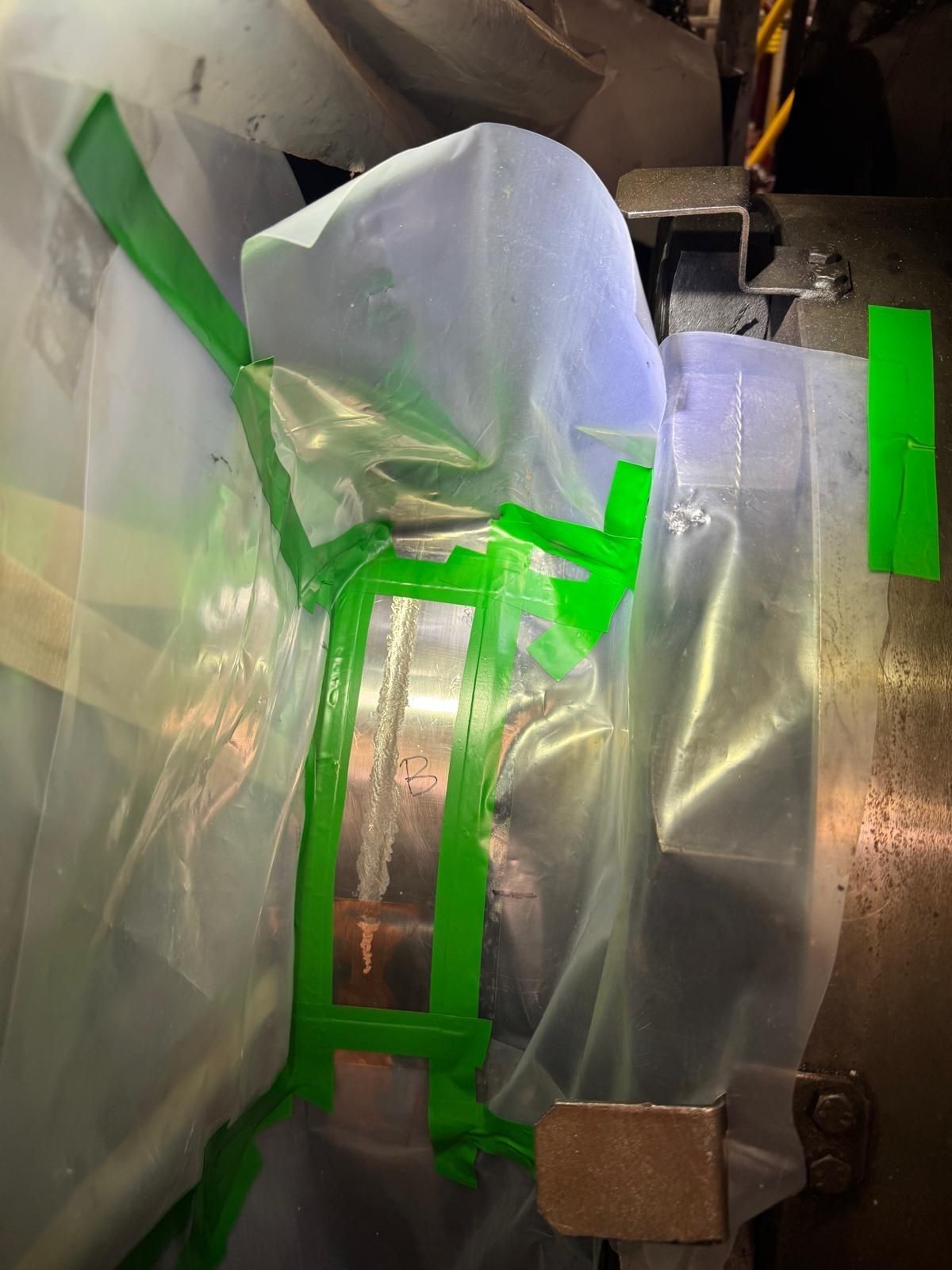
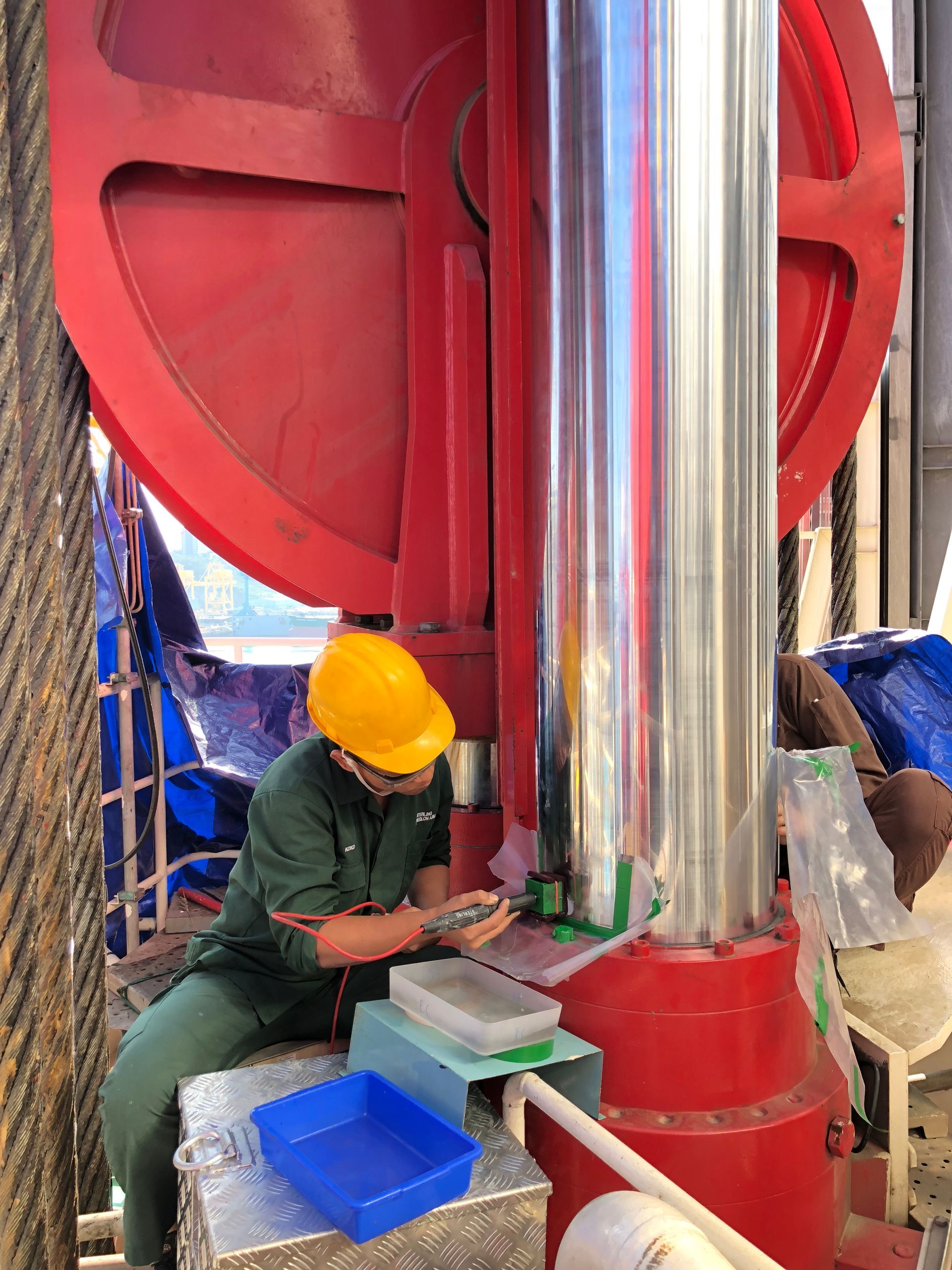
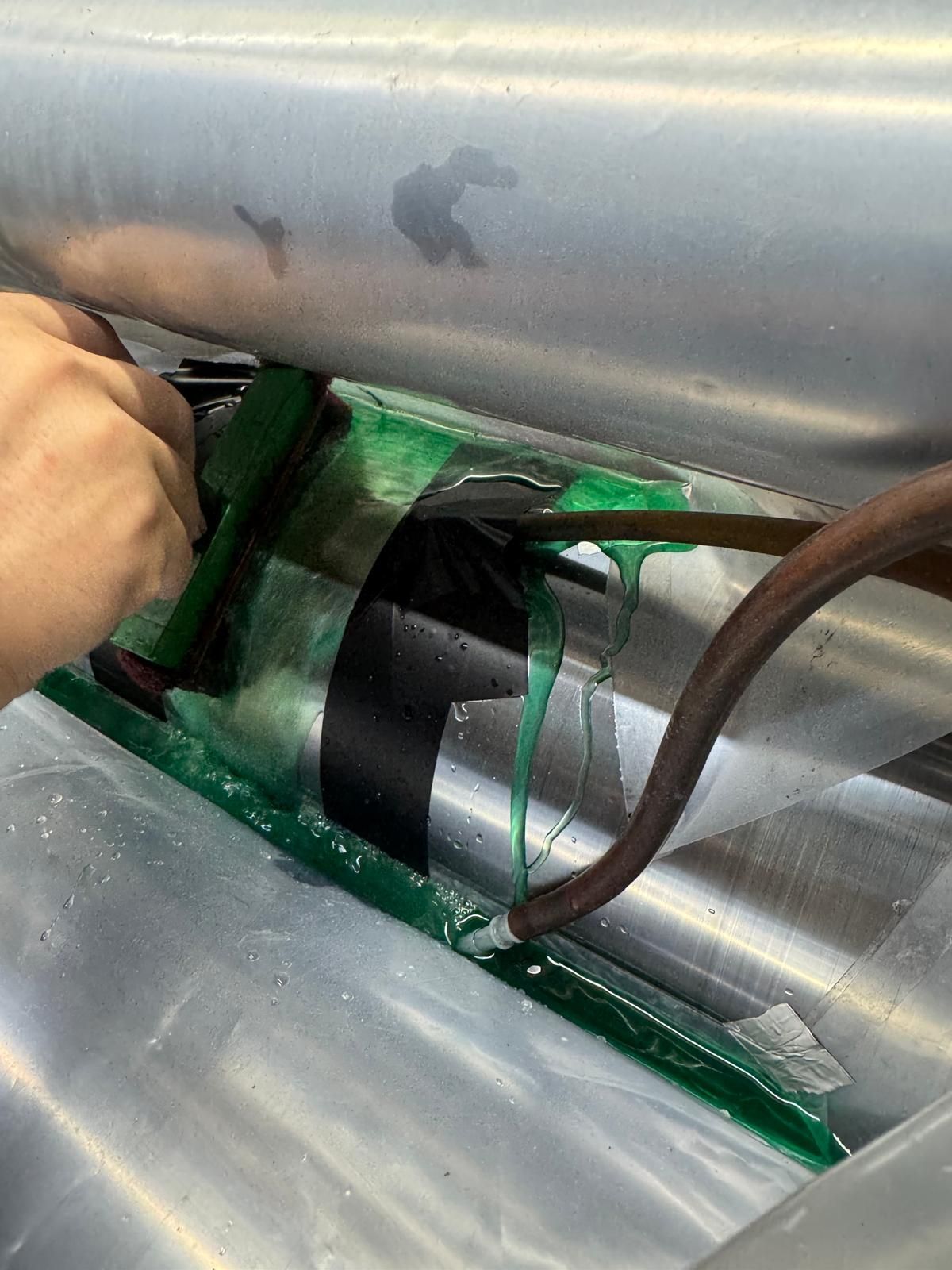
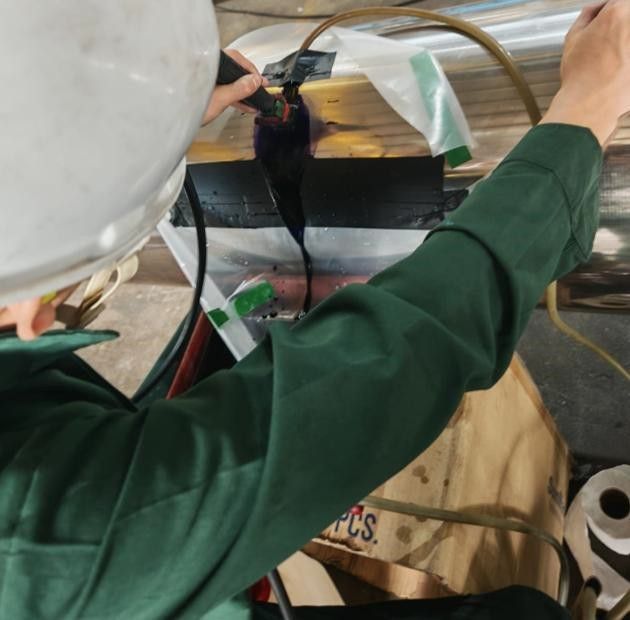
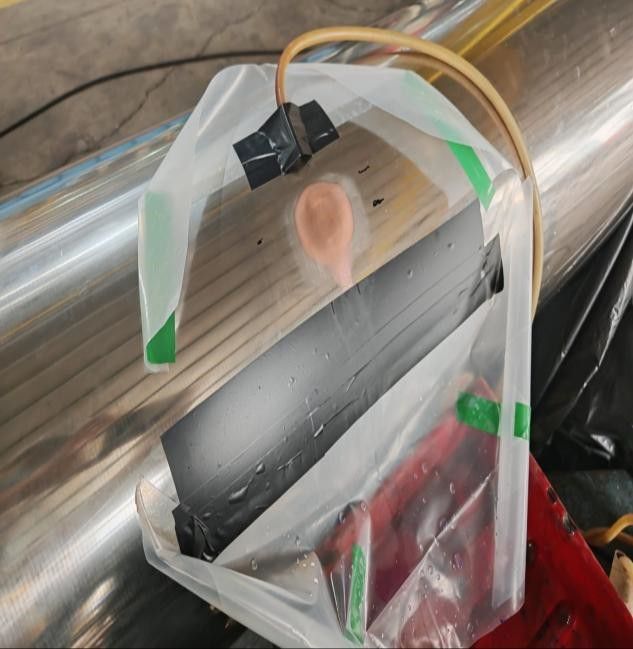
2. Masking and containment: Protective masking were applied around the damaged zones to isolate the work area and prevent any overspill onto surrounding surfaces. This containment step is what allows Brush Plating to be performed with precision, treating only the exact area that needs it, without affecting the rest of the component.
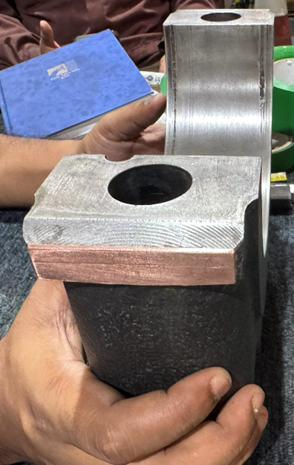
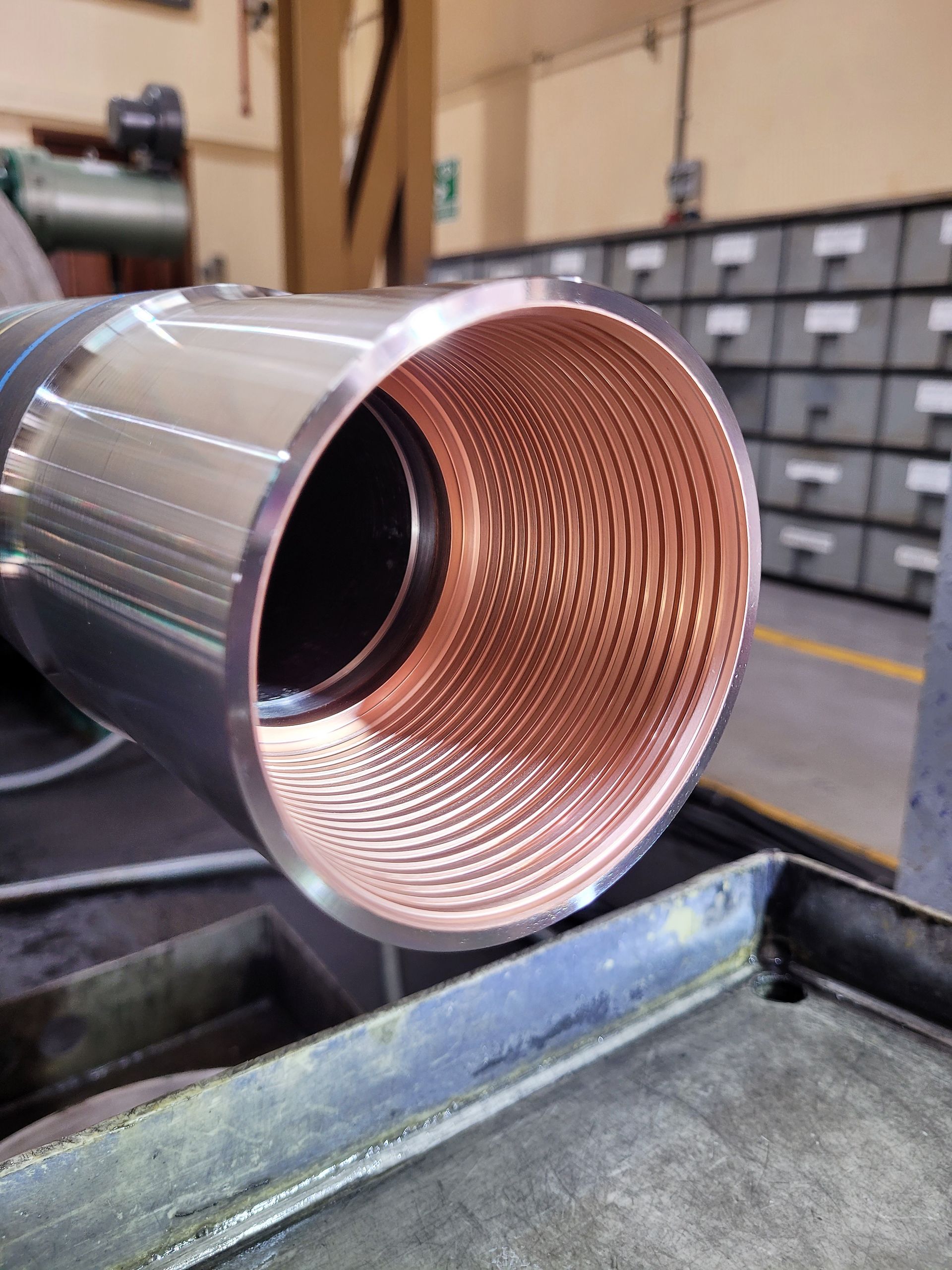
3. Copper Brush Plating build-up: Using controlled electrochemical deposition, our technicians applied successive layers of copper directly onto the damaged sections of the casing. This built the worn surface back up to its original profile with micron-level accuracy, restoring the exact dimensions the component was designed to have, not an approximation of them.
4. Finishing and blending: Once the copper build-up reached the required thickness, the repaired areas were polished and blended seamlessly into the surrounding surface, eliminating any visible transition between old and new material. A thin nickel capping layer was then applied on top, giving the finished surface a smooth, corrosion-resistant metallic finish. The casing is restored to a condition that looks, and performs, as good as new.
Why This Approach Matters
For a component like a turbine gearbox casing, the case for repair over replacement comes down to three things:
- Precision: Brush Plating rebuilds only the damaged area to its exact original tolerance, rather than requiring a full part swap for localized wear.
- Turnaround: the repair was carried out without the extended lead time a replacement casing would typically require.
- Reliability: the copper build-up and nickel capping finish restore both the dimensional accuracy and the surface protection the component needs to perform reliably back in service.
This is the same principle that applies across the marine, heavy equipment, and oil & gas equipment we work on: when damage is limited to wear or scoring on an otherwise sound component, restoring the surface is very often faster, more precise, and more cost-effective than sourcing a new part.
The Result
The gearbox casing was returned to its original dimensional profile and surface finish, ready to go back into service without the extended downtime a full replacement would have required.
Jobs like this are a good reminder that not every worn or scored component needs to be replaced. If a critical part on your equipment is showing similar surface damage, it may be worth having it assessed before a replacement order goes out.
Have a component with wear, scoring, or surface damage? Reach out to us and our team can assess whether it's a candidate for Brush Plating repair, and how quickly it can be turned around.