Repair vs. Replace
What a Worn Shaft Really Costs You....
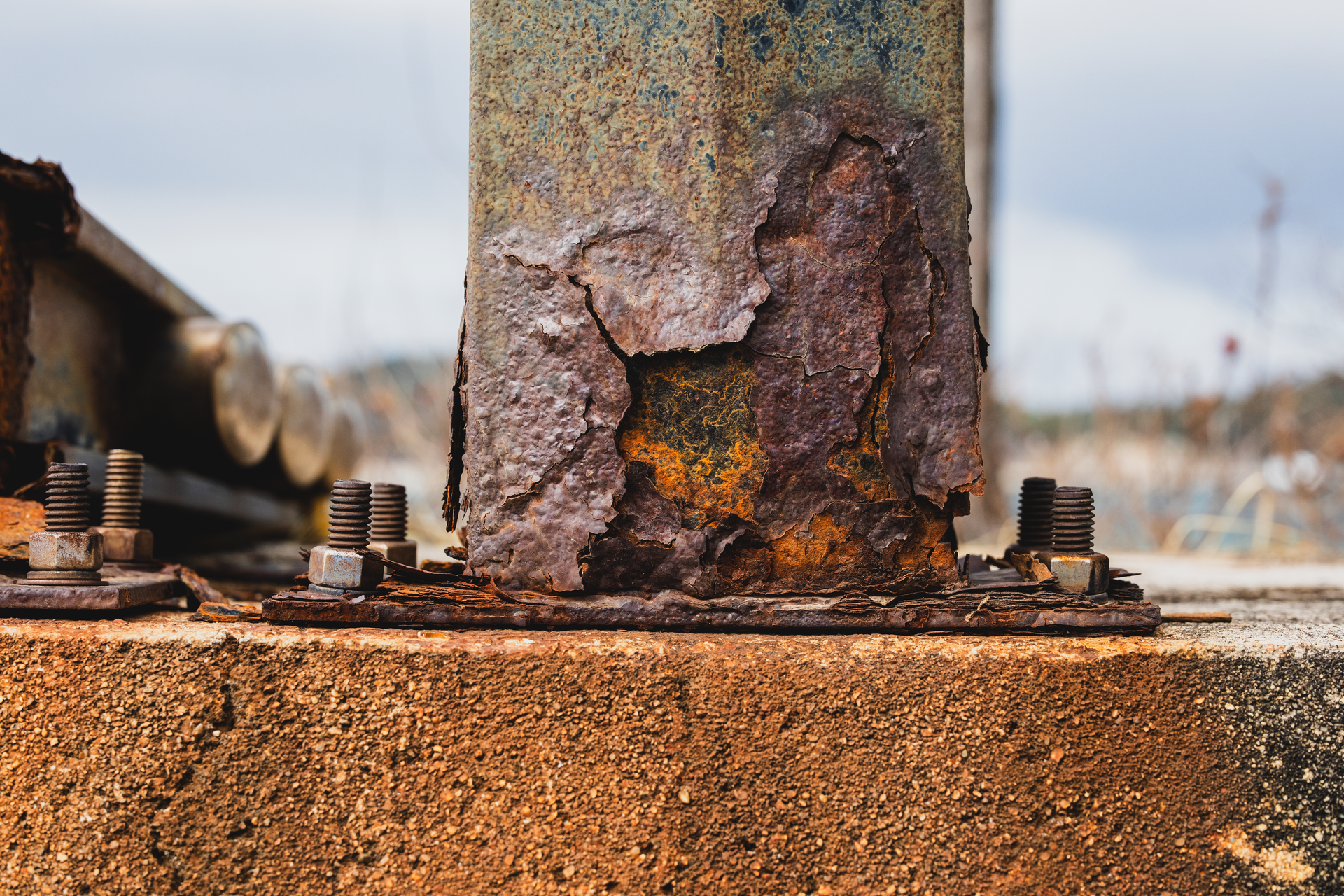
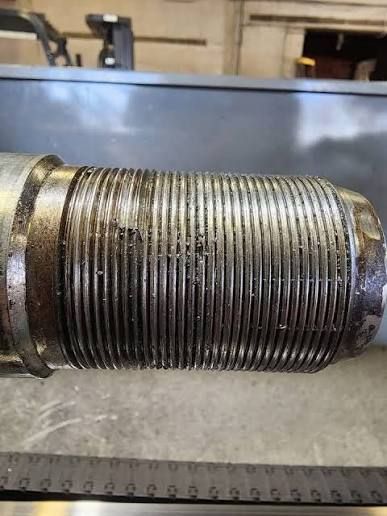
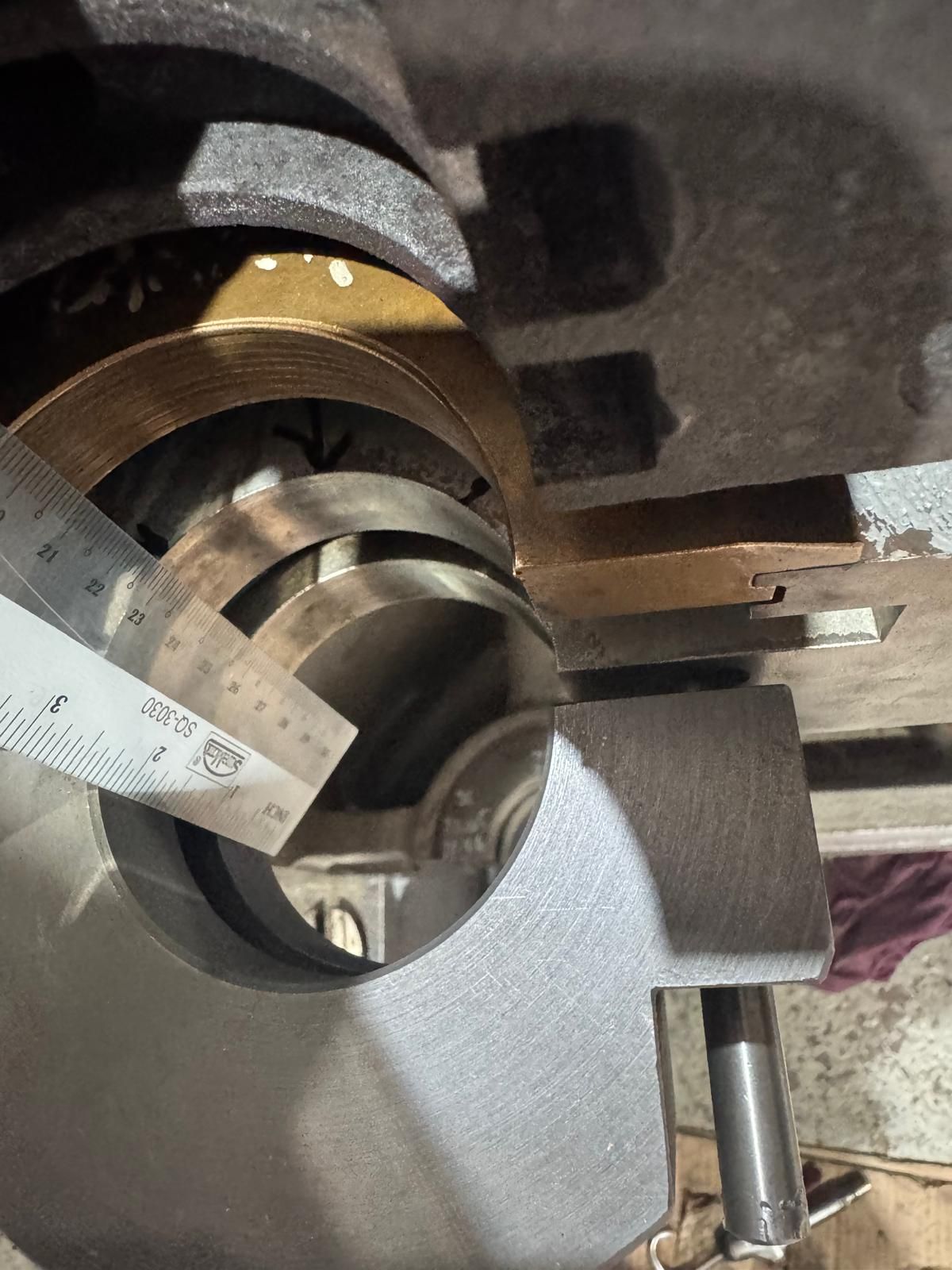
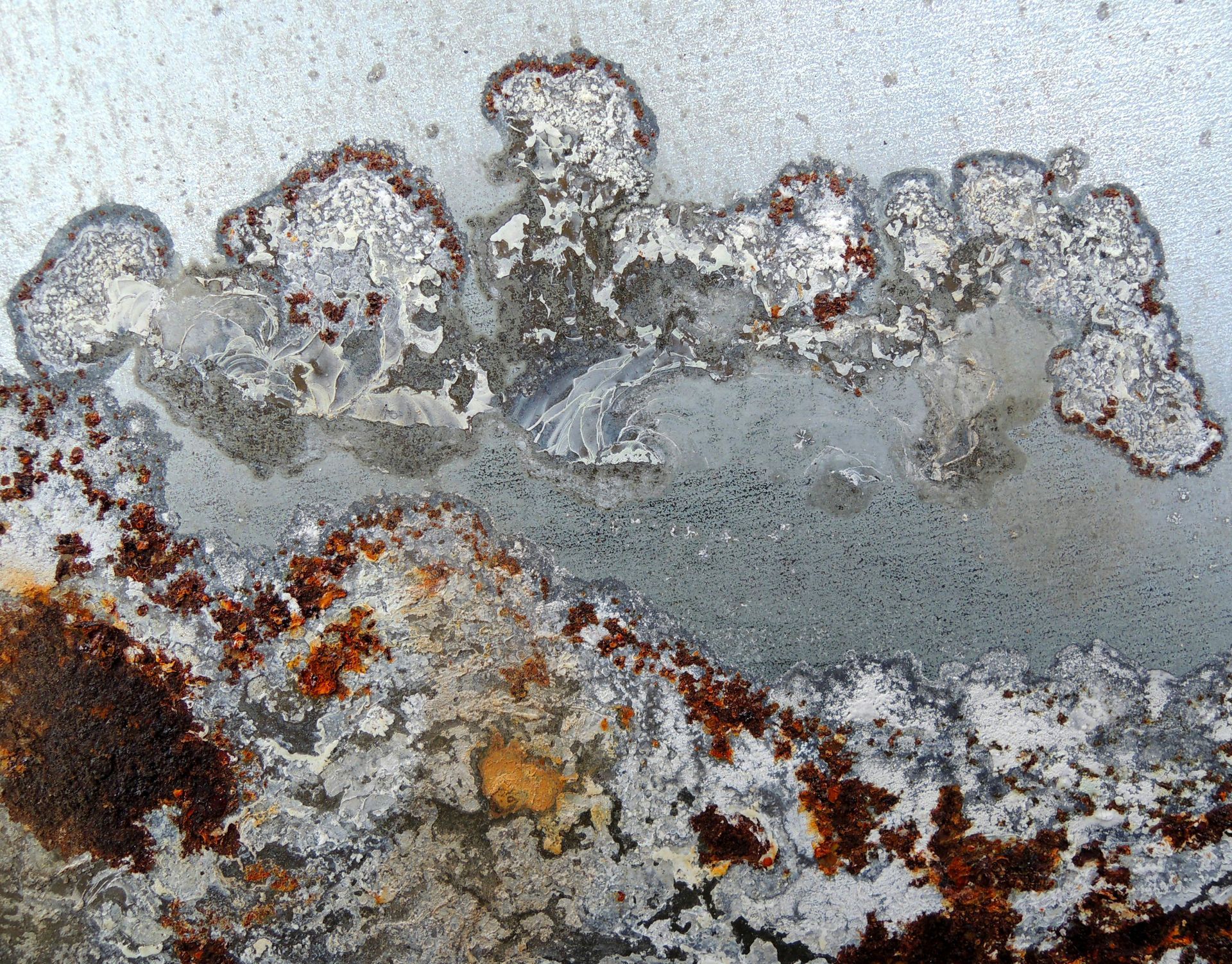
A shaft wears down. A bearing journal scores. A cylinder bore loses tolerance. It's one of the most common failures and for most companies, the instinct is the same: order a new part.
It feels like the safe choice. It's rarely the fast one, and it's almost never the cheap one.
The Replacement Route
Ordering a new shaft looks simple on paper, but the real timeline adds up fast:
- Sourcing - locating the correct OEM part or an approved equivalent, especially for older or specialized equipment
- Lead time - manufacturing and freight, often weeks for a standard part, and considerably longer for anything custom, oversized, or from an overseas supplier
- Cost - full part price, plus freight, plus any expediting fees if the timeline is critical
- Downtime - the equipment sits idle for the entire sourcing and shipping window, not just the swap itself
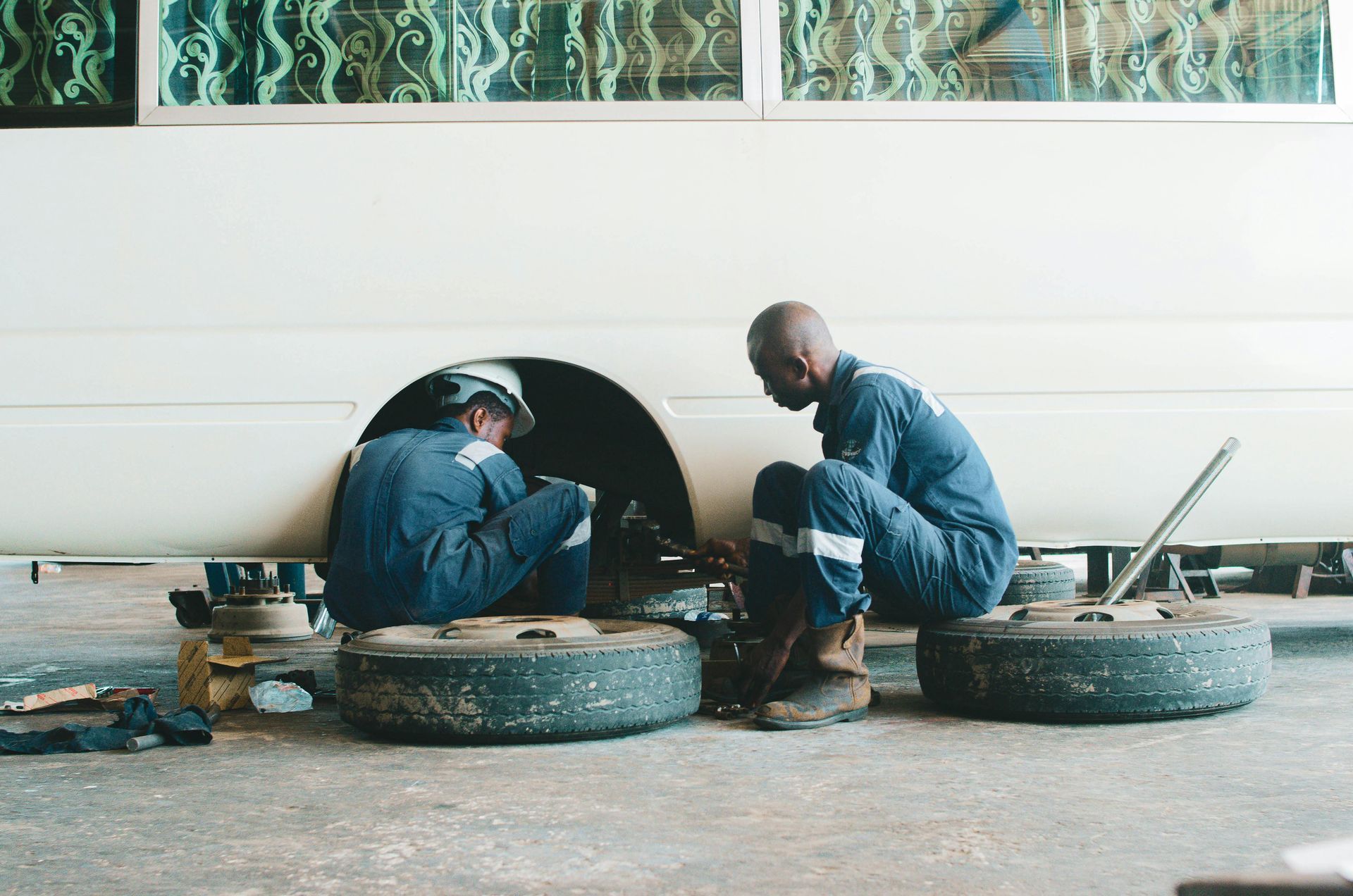
- Installation - removal of the damaged part and fitting of the new one, which can itself require specialized labor or equipment access
For a single worn shaft, this process can easily stretch into weeks and months, with the equipment out of service the entire time.
The Repair Route: Brush Plating
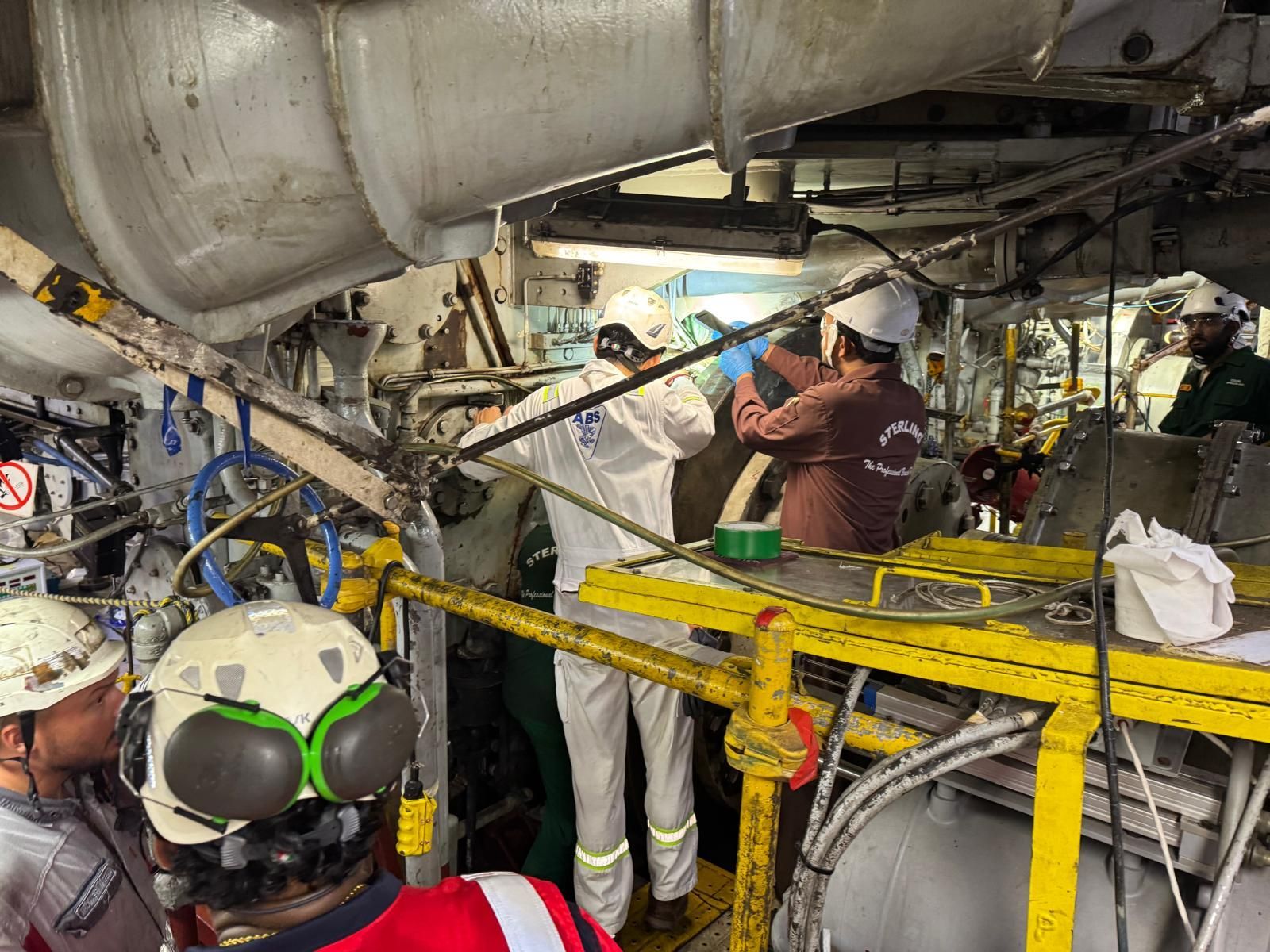
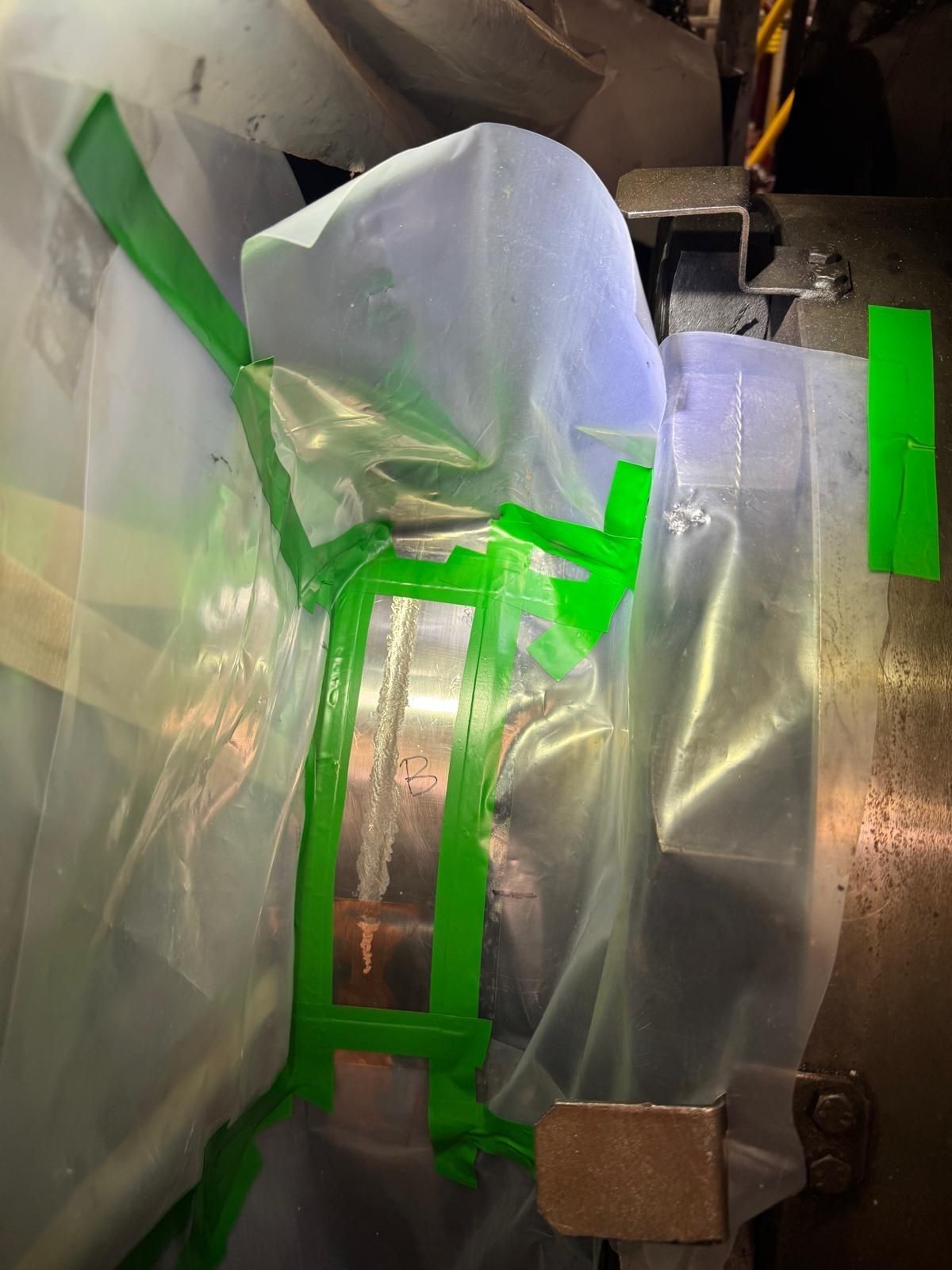
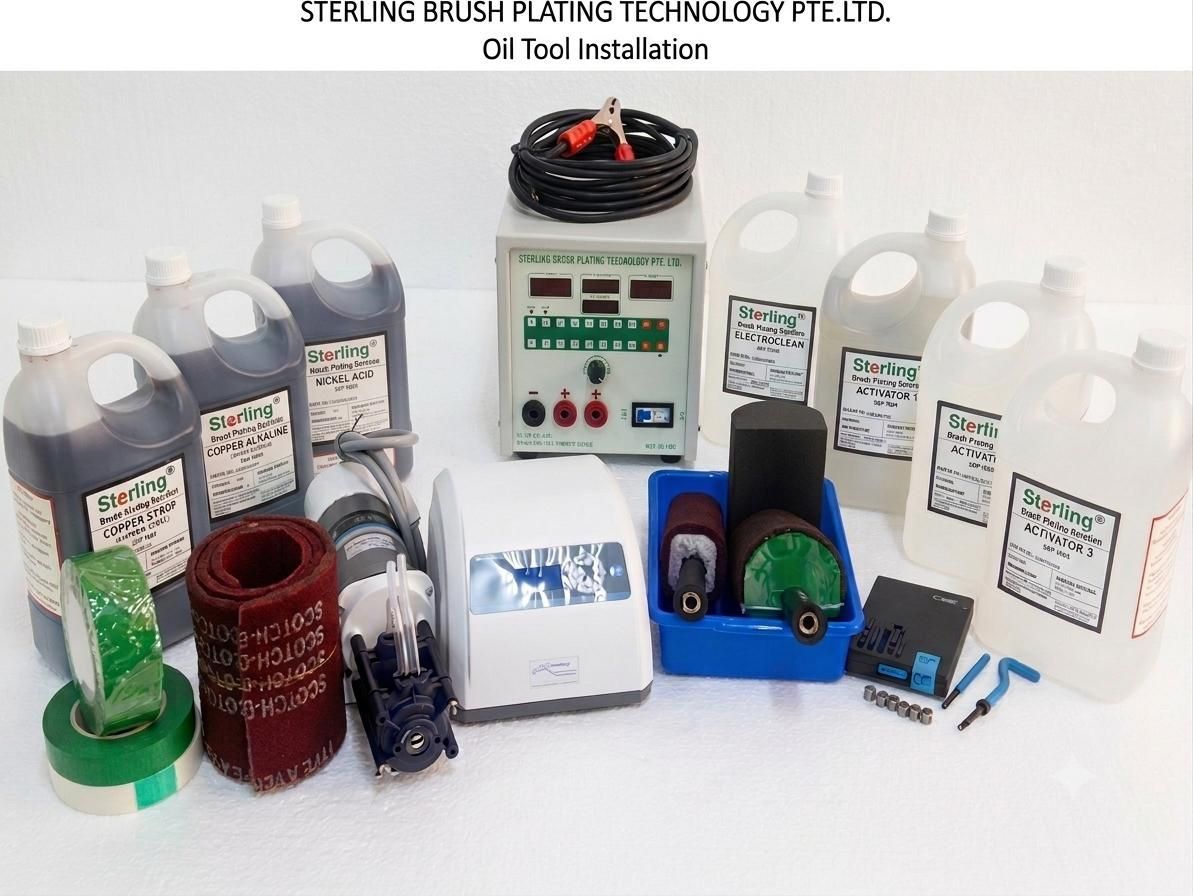
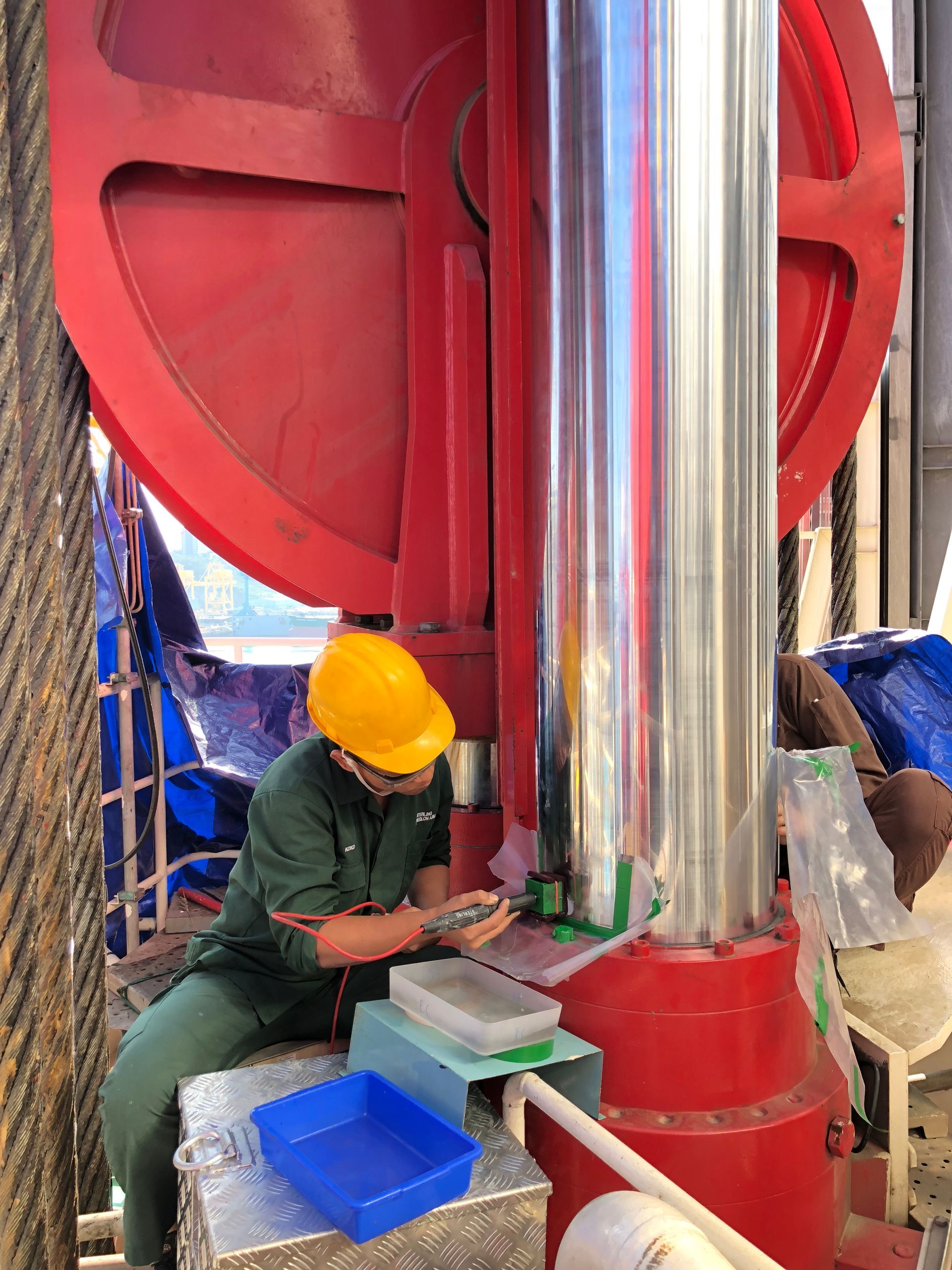
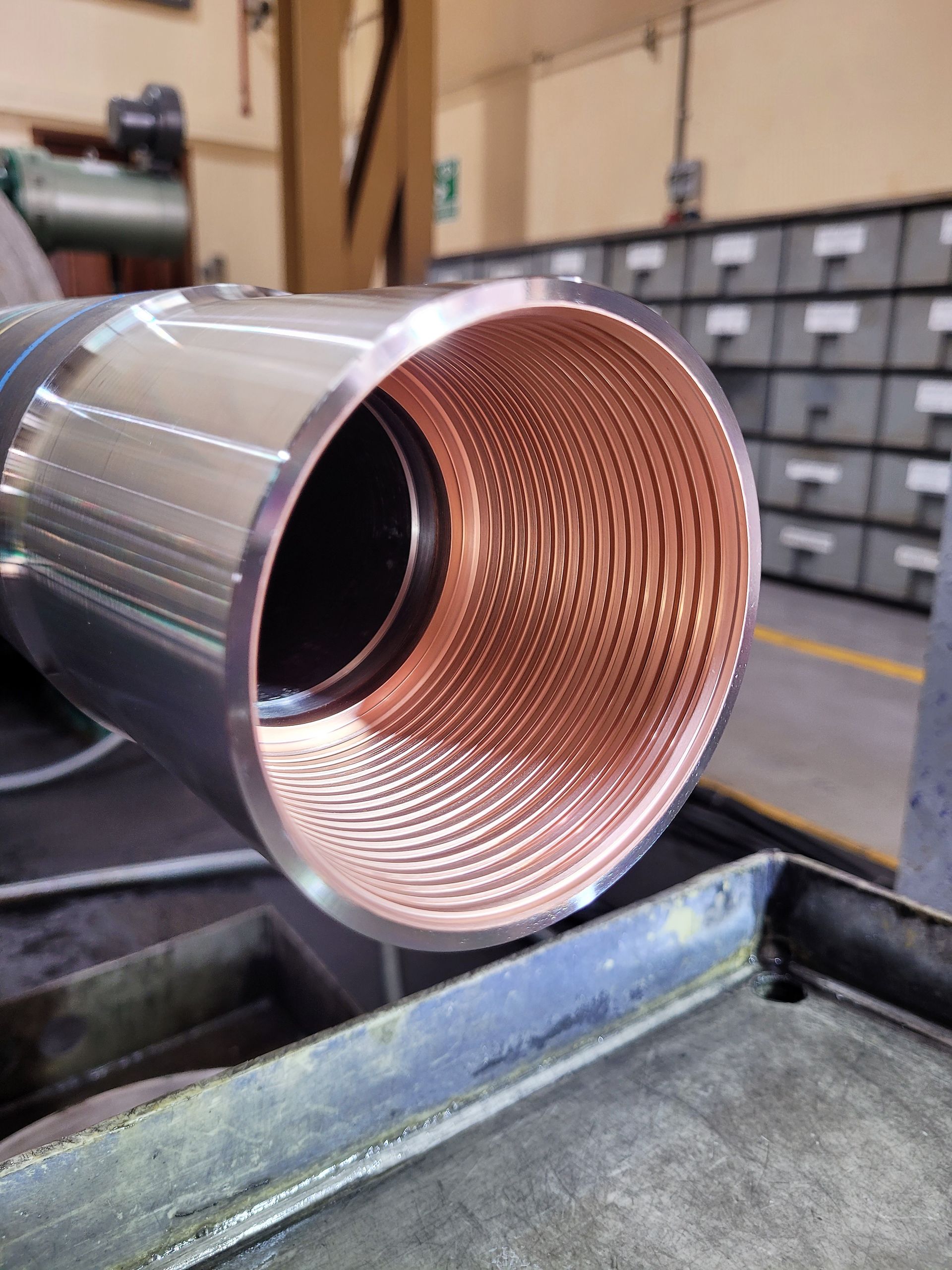
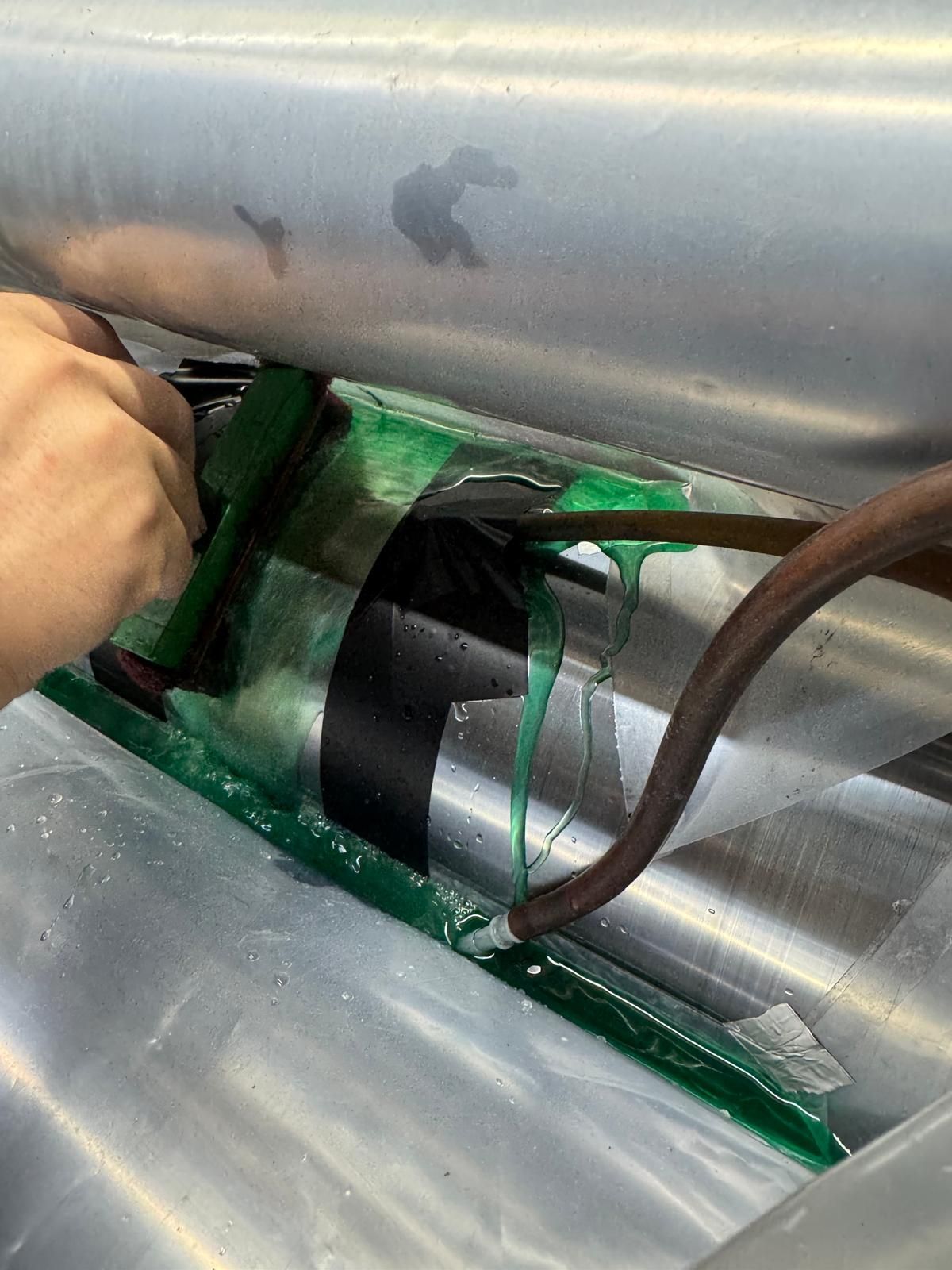
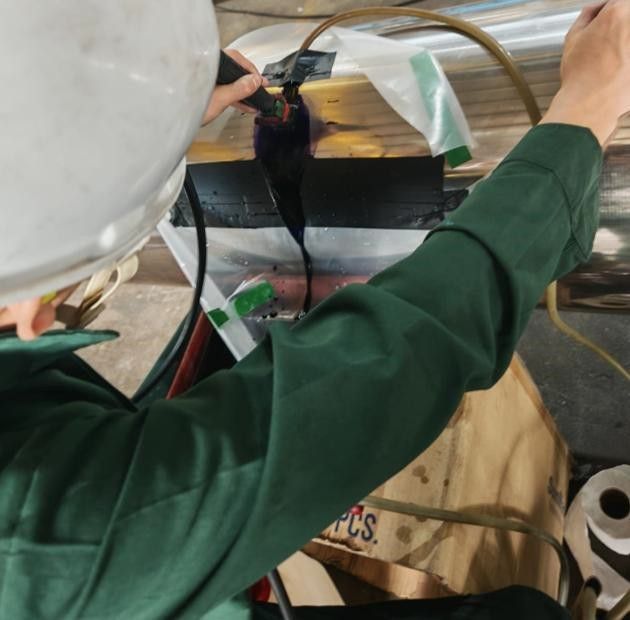
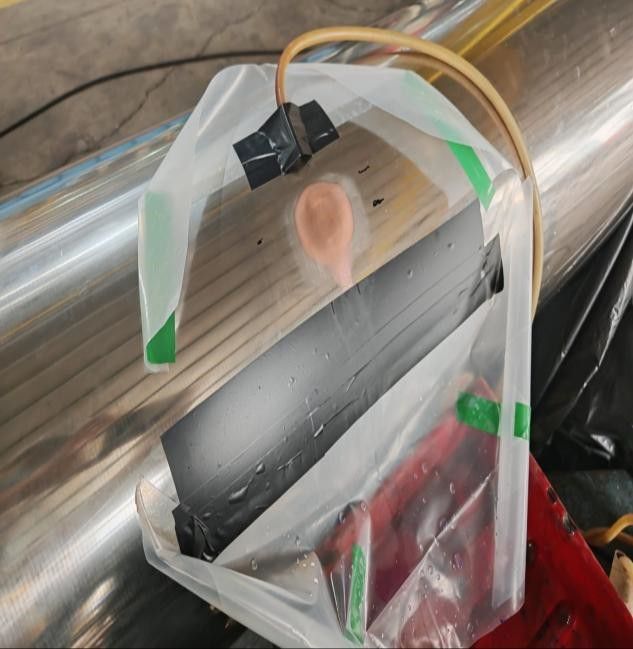
Brush Plating takes a different path entirely. Rather than replacing the component, it restores the worn or damaged surface directly often without removing the part from the machine at all.
- Assessment - the damaged area is measured and evaluated on-site
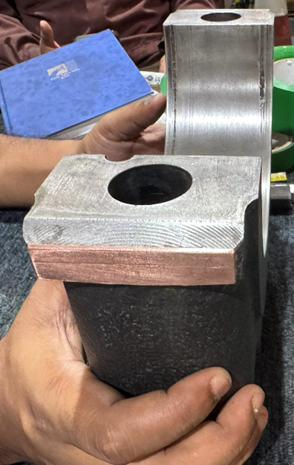
- Plating - using a portable applicator, the precise amount of metal (Copper, Nickel, Zinc, or Tin, depending on the application) is deposited exactly where it's needed, rebuilding the surface to its original tolerance
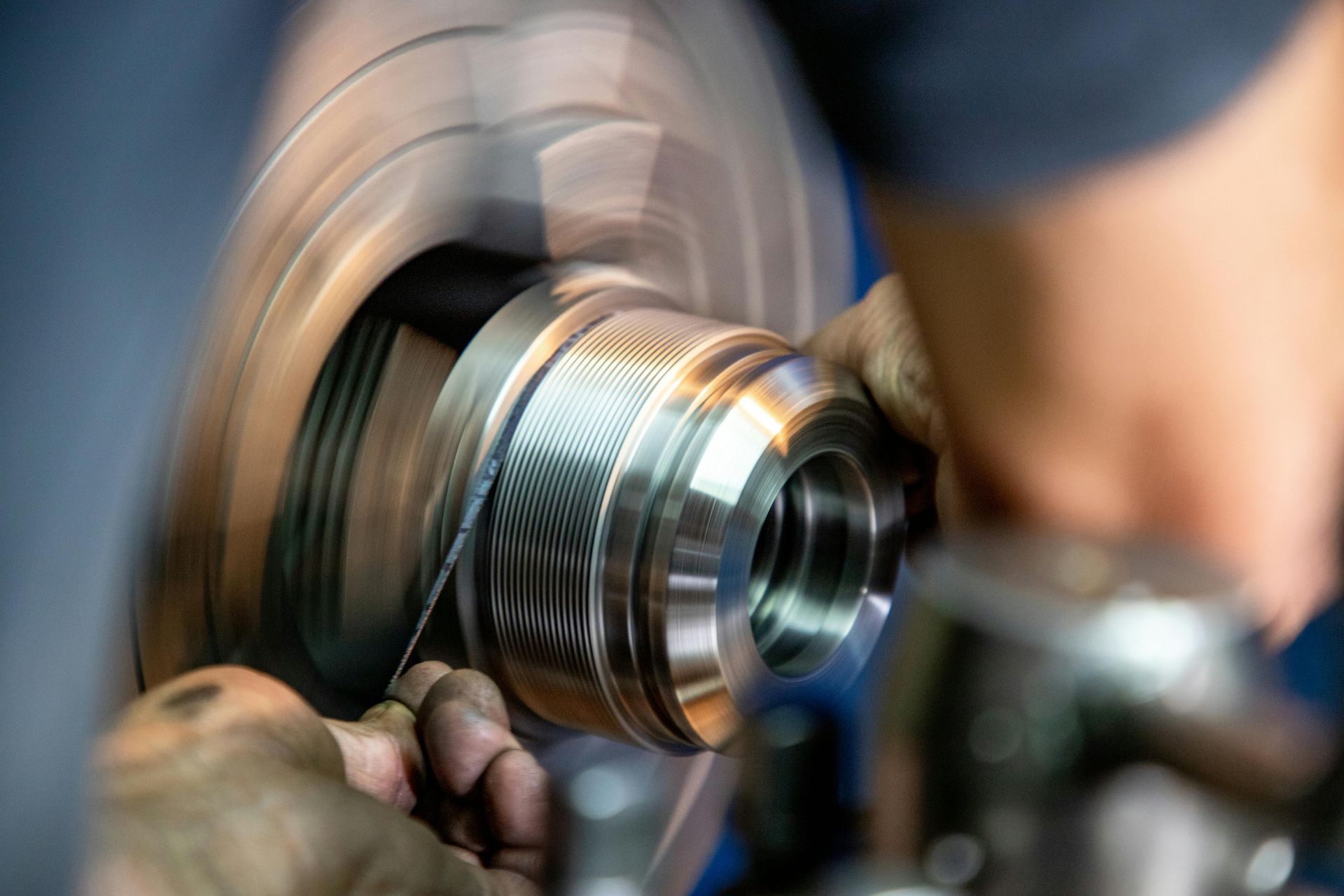
- Finishing - the repaired surface is machined or finished to the required specification
- Return to service - the component goes back into operation
Because the process is portable and localized, most repairs are completed on-site or in-house, often within days which is a fraction of the time a replacement part would take to simply arrive.
The gap is rarely marginal. For companies running time-sensitive operations, a vessel that needs to sail, a production line that can't sit idle, a rig that's already mobilized.
When Replacement Still Makes Sense
Brush Plating isn't a fit for every failure, a component with structural cracking, severe deformation, or damage beyond the reach of surface restoration will still need replacing. Part of doing this right is knowing which failures are genuinely repairable and which aren't, and saying so honestly.
But for the wear, scoring, and dimensional loss that account for a large share of mechanical component damage, the kind seen daily in Marine and Heavy Equipment operations. Repair is very often the faster, lower-cost, and lower-risk option. It's just not always the first one considered.
Before You Order That Replacement Part
If a component on your equipment is worn but otherwise structurally sound, it may be a stronger candidate for repair than replacement. It is worth a second look before the purchase order goes out.
Send us the details of your worn or damaged component, and our team will assess whether it's a candidate for Brush Plating repair, along with an estimated turnaround.
| Replace | Repair (Brush Plating) | |
|---|---|---|
| Timeline | Weeks to Months (sourcing + freight + install) | Days, often on-site |
| Cost | Full part cost + freight + expediting | A fraction of full replacement cost |
| Downtime | Equipment idle for entire lead time | Minimal, equipment often stays in place |
| Availability Risk | Dependent on OEM stock, discontinued parts a real risk | Not dependent on part availability |
| Precision | Fixed to OEM spec only | Restored to original tolerance, on the exact worn area |