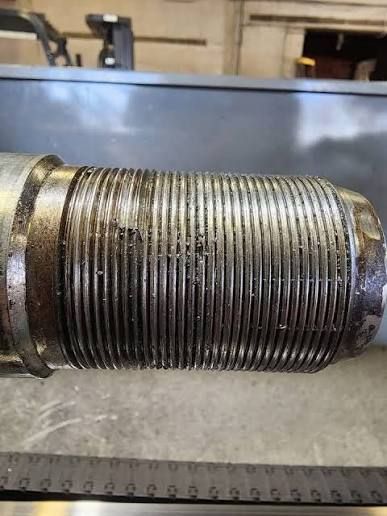
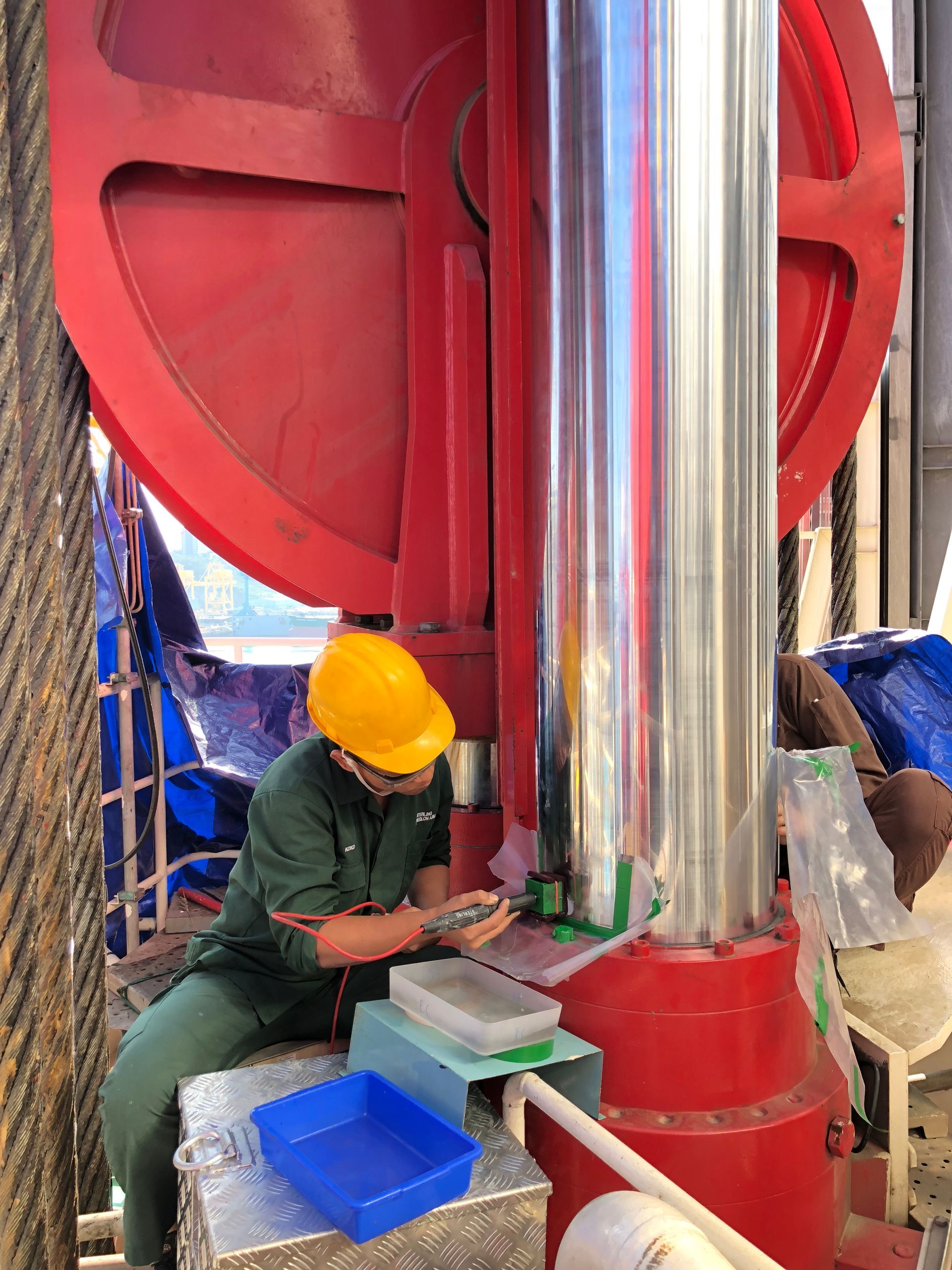
How to Qualify Your Oil Tools & Accessories Plating Process
A Step-by-Step Guide for Threading Companies
Is your oil tool plating process truly qualified — or just “good enough”?
This guide is written to help threading companies, OCTG manufacturers and workshops to start the new year right, by clearly understanding what it takes to properly qualify an oil tool plating process and why it matters more than ever.
🧠 Why Plating Qualification Is No Longer Optional
In today’s oilfield environment, unqualified plating processes lead to:
- Thread galling during make-up
- Inconsistent torque performance
- Rejected batches
- Customer complaints
- Costly rework and scrap
- Loss of OEM confidence
Major OCTG manufacturers and oil companies now expect documented, repeatable, and audited plating processes — not assumptions.
A qualified process protects:
- Your product
- Your reputation
- Your customers
- Your profitability
✅ Step 1: Define the Plating Objective Clearly
Before qualification begins, threading companies must define what the plating is meant to achieve.
Key questions:
- Is the plating for anti-galling protection?
- Is it applied to premium or non-premium connections?
- What is the target thickness range?
- What torque and make-up cycles must it withstand?
Without a clearly defined objective, qualification becomes meaningless.
✅ Step 2: Control Surface Preparation — The Foundation of Success
Surface preparation is the single most critical step in any plating process.
A qualified process must include:
- Proper degreasing and oil removal
- Oxide and contamination removal
- Controlled surface activation
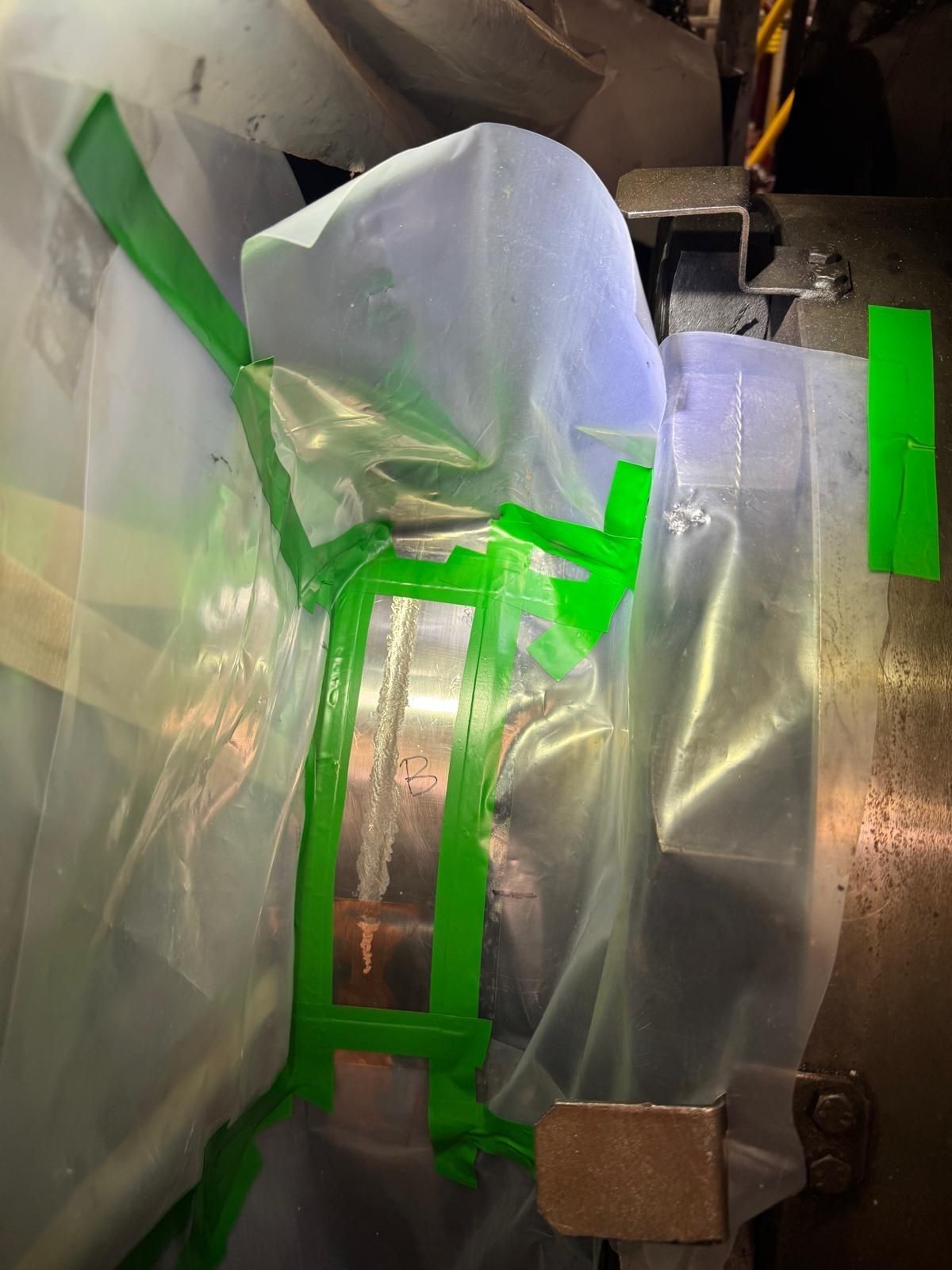
- Consistent masking techniques
Poor surface preparation is the number one cause of plating failure, regardless of plating chemistry.
✅ Step 3: Establish Process Control Parameters
Qualification requires repeatability.
This means defining and controlling:
- Voltage and current range
- Plating time
- Anode movement technique
- Electrolyte condition
- Environmental conditions
These parameters must be:
- Written
- Trained
- Followed consistently
A process that depends on “operator feel” instead of controlled parameters cannot be qualified.
✅ Step 4: Inspection and Dimensional Verification
Every qualified plating process must include inspection criteria.
This typically covers:
- Visual inspection (coverage, uniformity, appearance)
- Thickness verification
- Dimensional compliance with thread specification
Inspection ensures the plated connection will perform correctly during make-up and service.
✅ Step 5: Adhesion and Performance Testing
Qualification is incomplete without performance validation.
Common testing methods include:
- High-pressure water jet adhesion testing
- Torque make-up and break-out trials
- Visual inspection after cycling
- Comparative testing against Unplated or alternative coatings
These tests demonstrate that the plating does not peel, flake, or fail under real-world conditions.
✅ Step 6: Documentation and Traceability
A qualified process must be documented and auditable.
This includes:
- Written work instructions
- Process flow charts
- Inspection records
- Test results
- Batch traceability
✅ Step 7: Training, Certification, and Re-Qualification
Even the best process will fail without proper training.
Qualification requires:
- Technician training
- Process understanding
- Periodic re-qualification
- Continuous improvement
Operators must know not just what to do, but why it matters.
As personnel change and production scales up, re-qualification ensures consistency over time.
Why Threading Companies Partner with Sterling
Sterling Impreglon Asia is not just a plating supplier.
For over 35 years, we have supported threading companies worldwide with:
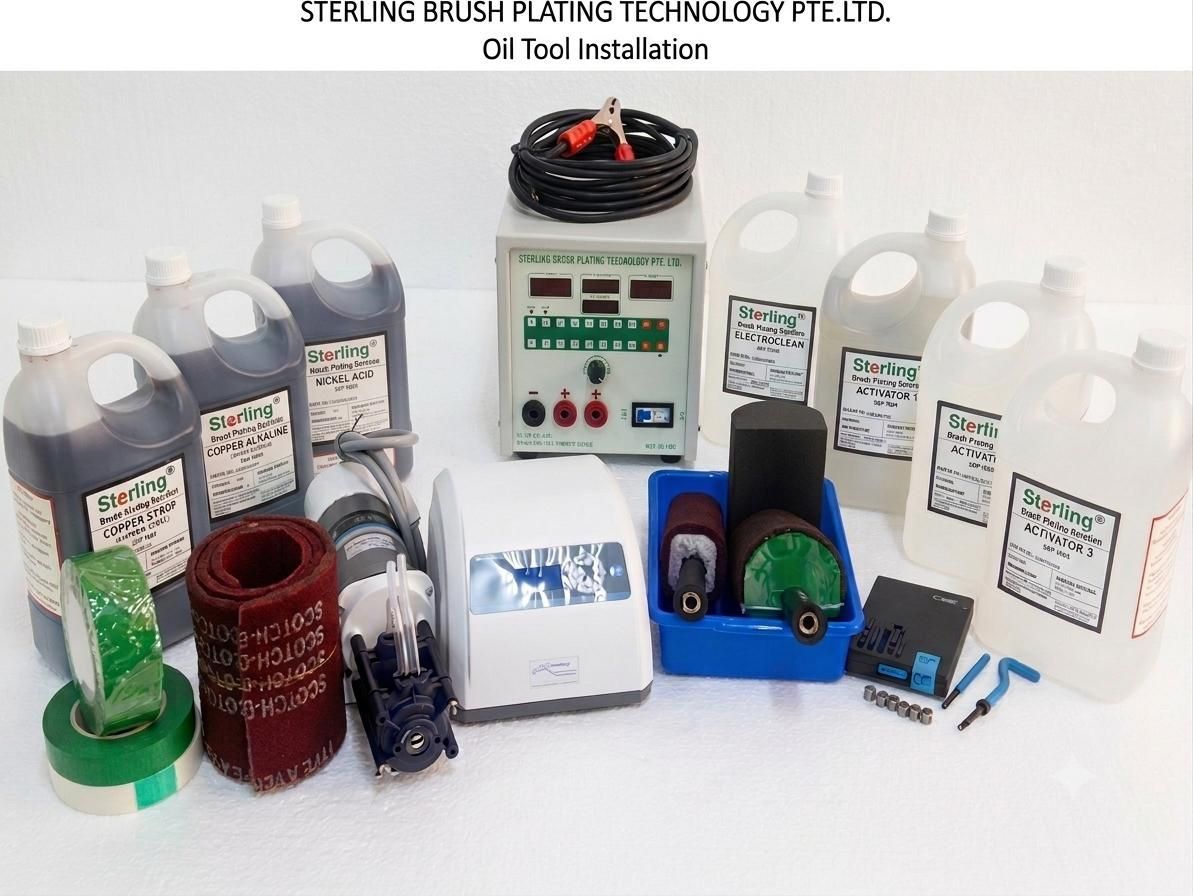
- Proven Brush Plating technology
- OEM-recognized processes
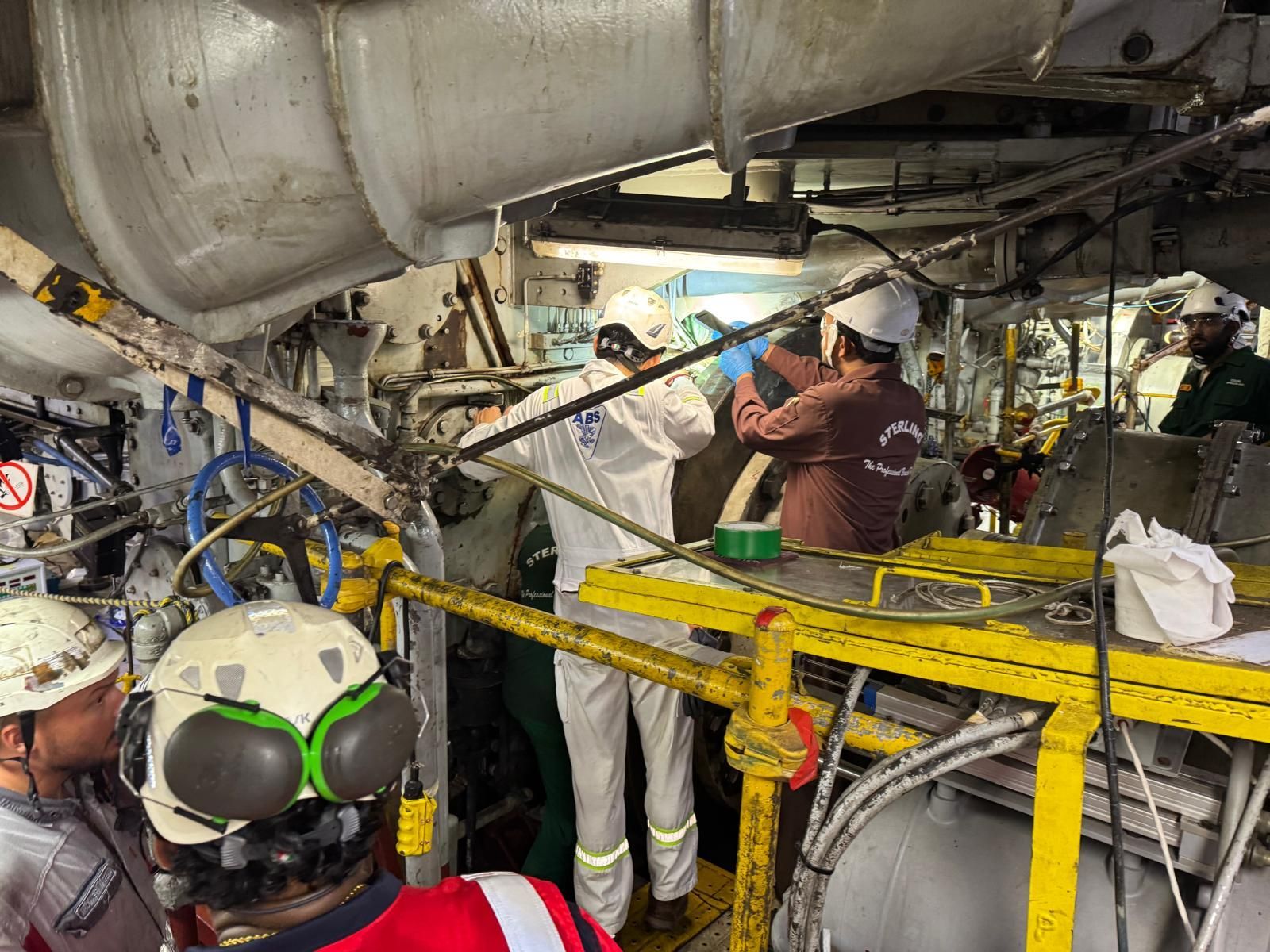
- On-site and in-house installation support
- Structured training programs
- Qualification and re-qualification assistance
- Ongoing technical guidance
Our role is to help companies:
- Eliminate galling failures
- Improve consistency
- Reduce rejection rates
- Build OEM confidence
- Strengthen long-term customer relationships
🎯 Start 2026 with Confidence, Not Assumptions
A qualified oil tool plating process is no longer a competitive advantage — it is a minimum requirement.
Threading companies that invest in proper qualification start the year with:
- Fewer failures
- Better customer trust
- Stronger operational control
- Higher profitability
Those that don’t will continue to pay the price in rework, downtime, and lost opportunities.